Planning balanced meals does not have to mean following a strict menu or spending hours in the kitchen. A simple approach can help you create satisfying meals, reduce last-minute decisions, and make better use of the food you already have.
The goal is not perfection. It is to build a flexible routine that includes a variety of foods and works with your schedule, budget, cooking skills, and personal preferences.
Start with a simple meal formula
A useful way to plan a balanced meal is to include a few basic parts:
– A source of protein
– Vegetables or fruit
– A grain, starchy food, or other source of carbohydrates
– A source of healthy fat
– Water or another preferred drink
This structure is a guide rather than a rule. Some meals may include all of these parts, while others may be lighter or more substantial depending on the time of day and your hunger.
For example, a simple dinner could include roasted chicken, rice, steamed vegetables, and a sauce made with olive oil and herbs. A vegetarian option might combine beans, whole grain bread, salad, and avocado. Breakfast could be yogurt with fruit, oats, and nuts.
Think in combinations, not recipes
You do not need a different recipe for every meal. Instead, choose ingredients that can be mixed and matched throughout the week.
Try selecting:
– Two or three protein options
– Two grains or starchy foods
– Three or four vegetables
– Two fruits
– A few sauces, spreads, or seasonings
These ingredients can become many different meals. For example, roasted vegetables can be served with rice one day, added to a wrap the next, or mixed into eggs for breakfast.
Plan around your real schedule
A meal plan should make life easier, not create another source of pressure. Before choosing meals, look at the week ahead.
Ask yourself:
– Which days will be busy?
– When will you have time to cook?
– Which meals need to be portable?
– Are there nights when leftovers will be useful?
– Do you have social plans or meals away from home?
On busy days, choose meals that require little preparation. These might include sandwiches, grain bowls, scrambled eggs, soup, or a simple combination of prepared ingredients. Save more involved recipes for days when you have extra time and energy.
It can also help to plan only a few dinners instead of every meal. For example, choose three cooked dinners, one leftover night, and a couple of flexible options. Breakfast and lunch can follow a short list of familiar choices.
Use a mix and match system
A mix and match system keeps meal planning flexible. Choose one item from each category and combine them in different ways.
Protein options
Consider foods such as:
– Eggs
– Beans or lentils
– Chicken or turkey
– Fish
– Tofu or tempeh
– Yogurt or cottage cheese
– Nuts and seeds
Vegetable and fruit options
Fresh, frozen, and canned produce can all fit into a balanced meal. Keep a variety of colors and textures available, such as:
– Leafy greens
– Carrots
– Peppers
– Broccoli
– Tomatoes
– Apples
– Bananas
– Berries
– Oranges
Grain and starch options
Choose foods that are convenient and enjoyable, including:
– Rice
– Oats
– Potatoes
– Pasta
– Quinoa
– Corn
– Whole grain bread
– Tortillas
Flavor boosters
Simple flavor additions can make basic meals more appealing:
– Salsa
– Hummus
– Peanut or nut butter
– Yogurt-based sauces
– Pesto
– Lemon juice
– Garlic
– Fresh or dried herbs
– Spices
Having these categories in mind makes it easier to create a meal even when you do not have a recipe.
Prepare ingredients, not just full meals
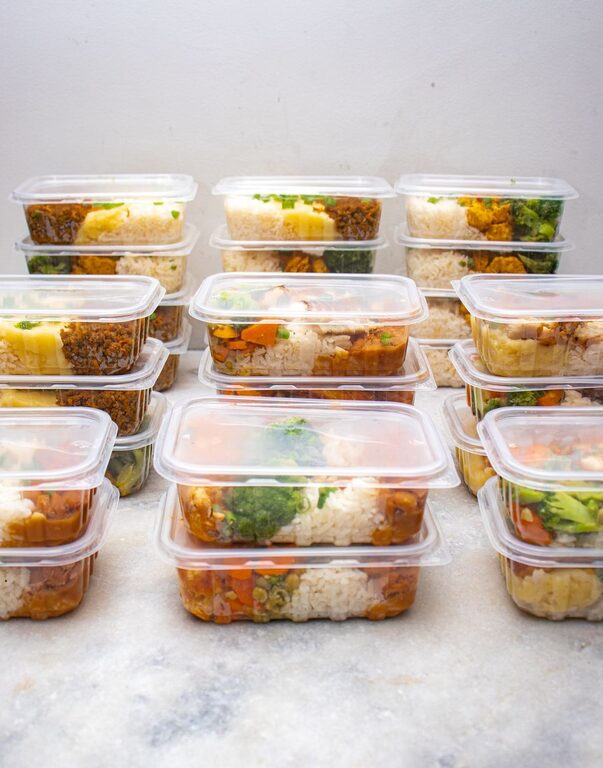
Preparing every meal in advance can feel repetitive and time-consuming. Instead, prepare a few useful ingredients that can be used in several ways.
For example, you might:
– Wash and chop vegetables
– Cook a batch of rice or another grain
– Prepare hard-boiled eggs
– Roast a tray of vegetables
– Mix a simple dressing
– Portion snacks into containers
This approach gives you a head start without locking you into one meal. Prepared ingredients can be combined differently based on your appetite and schedule.
If you have limited time, choose just one preparation task. Even washing produce or cooking one staple can make the next few meals easier.
Keep convenient foods on hand
Convenience foods can support balanced eating, especially during busy weeks. They do not need to be reserved for emergencies or treated as a failure to cook.
Useful options may include:
– Frozen vegetables
– Canned beans
– Prewashed greens
– Canned fish
– Whole grain crackers
– Rotisserie chicken
– Frozen fruit
– Ready-to-cook grains
– Low-preparation soups
Read labels when helpful, but do not let label checking make shopping stressful. Choose products that fit your preferences, budget, and cooking needs.
Make a short list of reliable meals
A list of five to ten easy meals can remove much of the daily decision-making. These meals should be simple enough to prepare when you are tired.
Your list might include:
– Vegetable omelets with toast
– Bean and rice bowls
– Pasta with vegetables and a protein
– Chicken or tofu wraps
– Baked potatoes with toppings
– Soup with bread and a side salad
– Yogurt, fruit, oats, and nuts
– Stir-fried vegetables with rice
Keep the list somewhere easy to see, such as on your phone or refrigerator. When you do not know what to make, choose one option rather than starting from scratch.
Allow room for flexibility
A balanced routine can include restaurant meals, takeout, snacks, desserts, and meals that do not look perfect. Planning should help you enjoy food, not make you feel restricted.
If plans change, adjust without trying to compensate. A missed cooking night can become a leftover night. An unused ingredient can be frozen or added to another meal. A meal eaten away from home can simply be part of the week.
It may also help to plan one “use what you have” meal. This can reduce food waste and encourage creativity. Combine leftover vegetables, grains, and protein in a bowl, wrap, soup, or skillet meal.
Build a routine that lasts
Start with one or two habits instead of changing everything at once. You might begin by planning dinners on a certain day each week or keeping a few quick meal ingredients available.
A simple weekly routine could look like this:
- Check your schedule and pantry.
- Choose three or four main meals.
- Write a short shopping list.
- Prepare one or two ingredients.
- Review leftovers midway through the week.
- Adjust the plan as needed.
The best meal plan is one you can repeat without feeling overwhelmed. Keep it practical, flexible, and enjoyable. With a few dependable ingredients and a relaxed approach, balanced meals can become a normal part of your routine rather than another task to manage.