Food waste often happens in small ways: buying more than you need, forgetting what is in the refrigerator, or throwing away ingredients that could still be used. The good news is that a few simple habits can make a meaningful difference at home.
Reducing food waste can help lower grocery costs, simplify meal planning, and make the most of the food you already have. You do not need to change everything at once. Start with one or two ideas, then build from there.
Plan Before You Shop
A short shopping plan can prevent impulse purchases and help you buy only what your household is likely to eat.
Check Your Kitchen First
Before making a grocery list, look through your refrigerator, freezer, and pantry. Take note of food that needs to be used soon. This quick check can prevent duplicate purchases and remind you about ingredients that may have been overlooked.
Pay special attention to:
– Fresh produce that is becoming soft
– Dairy products nearing their best by dates
– Open packages of grains, pasta, or snacks
– Canned foods that can be added to upcoming meals
– Frozen ingredients that have been stored for a while
Organize foods so that older items are easy to see. Place newer purchases behind older ones, a system often called first in, first out.
Plan a Few Flexible Meals
Instead of planning every meal in detail, choose a few main dishes that use overlapping ingredients. For example, a bunch of spinach might work in an omelet, pasta dish, soup, or sandwich.
Flexible meals are useful because plans can change. Choose recipes that allow substitutions, such as using carrots instead of celery or beans instead of meat. This makes it easier to use what you already have.
Shop With a List
A grocery list helps turn your meal plan into a practical shopping trip. Write down the ingredients you need and include approximate amounts. Avoid shopping while hungry if possible, since hunger can lead to unnecessary purchases.
When shopping:
– Buy realistic quantities for your household
– Choose loose produce when available
– Compare what you need with what you already have
– Avoid buying large packages unless you can use or freeze the extra
– Leave room in your plan for leftovers and unexpected schedule changes
If a store offers discounts on large quantities, consider whether the lower price is worth the risk of waste. A smaller package may be the better value if it is more likely to be eaten.
Store Food Properly
Proper storage can extend freshness and give you more time to use food. Different ingredients have different storage needs, so learn a few basic guidelines for the foods you buy most often.
Organize the Refrigerator
Keep foods that need to be used soon in a visible place, such as a designated “eat first” area. Store leftovers in clear containers so you can see what is inside. Label containers with the date when helpful.
Set your refrigerator temperature according to the manufacturer’s guidance, and avoid packing it so tightly that air cannot circulate. A clean, organized refrigerator makes it easier to keep track of food.
Store Produce Carefully
Some fruits produce natural gases that can speed up ripening in nearby vegetables. Store these items separately when appropriate. Many fruits and vegetables also last longer when kept in the conditions they prefer.
For example:
– Keep potatoes, onions, and garlic in a cool, dry, well-ventilated place
– Store leafy greens in the refrigerator and use them promptly
– Keep berries dry until you are ready to eat them
– Store herbs in a way that helps prevent them from drying out
– Separate ripe fruit from fruit that needs more time to mature
Avoid washing produce until you are ready to use it if moisture could cause it to spoil faster.
Use the Freezer
The freezer is one of the easiest tools for preventing waste. Freeze bread, cooked grains, sliced fruit, vegetables, herbs, and leftovers before they are no longer appealing.
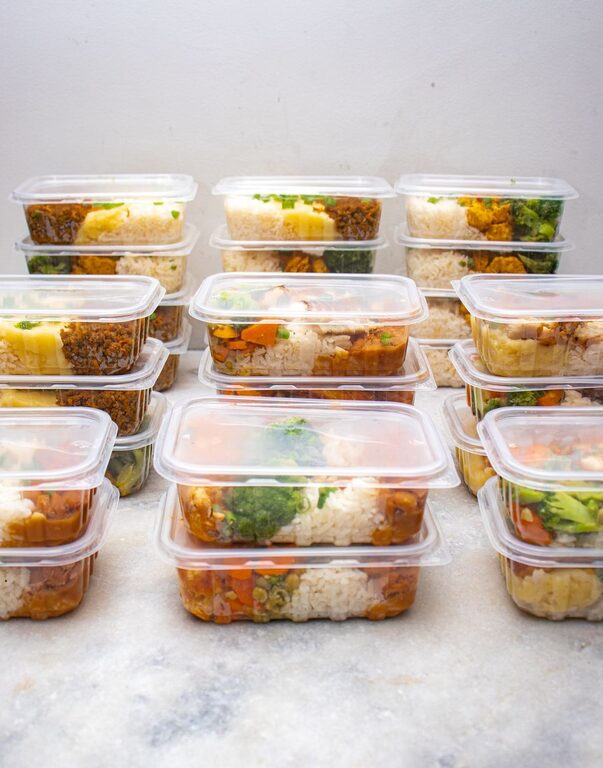
Divide food into meal-sized portions and use airtight containers or freezer-safe bags. Label each item with its name and date. Freezing smaller portions makes it easier to thaw only what you need.
Understand Food Date Labels
Food date labels can be confusing. In many cases, a best by date relates to freshness or quality rather than an exact point when food becomes unusable. Use your senses and follow the product’s storage instructions.
Check food for changes in appearance, smell, texture, or flavor. When in doubt about a food’s safety, it is better not to eat it. Infant foods and other products with specific storage requirements may need extra care.
Keep date labels visible, and place foods with earlier dates toward the front of the refrigerator or pantry. This simple habit can prevent forgotten items.
Make the Most of Leftovers
Leftovers do not have to mean eating the same meal repeatedly. Treat them as ingredients for a new dish.
You can use leftover food to make:
– Cooked vegetables in soups, frittatas, or grain bowls
– Roasted chicken in sandwiches, salads, or tacos
– Cooked rice in fried rice or stuffed vegetables
– Pasta in a baked dish or cold salad
– Fresh herbs in sauces, dressings, or flavored butter
– Soft fruit in smoothies, oatmeal, or baked goods
Store leftovers promptly in suitable containers. Plan a “leftover night” once or twice a week so food does not remain forgotten in the refrigerator.
Cook in the Right Amounts
Cooking too much can create waste, especially when preparing food for a small household. Use recipe serving sizes as a starting point, then adjust based on how much your family usually eats.
If you intentionally cook extra, decide in advance how you will use it. Set aside portions for lunches, freeze some for another week, or plan a second meal that uses the leftovers.
You can also serve smaller portions first and allow people to take more if they are still hungry. This helps reduce uneaten food on plates.
Use More of Each Ingredient
Many parts of food that are often discarded can be used in creative ways. Vegetable stems can add flavor to soups or stocks, while citrus peels can be used to infuse water or add flavor to recipes.
Try these ideas:
– Use broccoli stems in stir-fries or slaws
– Add carrot tops to sauces or herb mixtures
– Turn stale bread into breadcrumbs or croutons
– Use wilted greens in soups, sauces, or smoothies
– Save vegetable scraps in the freezer for homemade stock
– Add overripe bananas to muffins or pancakes
Use good judgment and make sure each ingredient is clean and suitable for the intended recipe.
Keep a Waste Journal
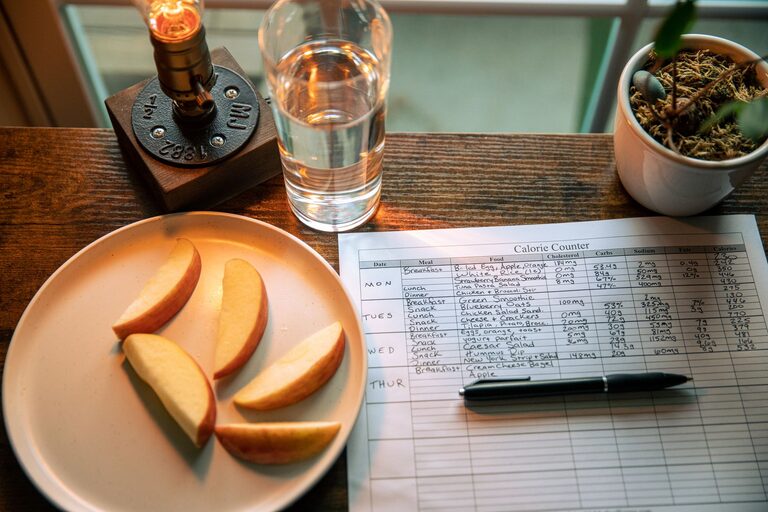
For one week, write down what food your household throws away and why. You may notice a pattern, such as buying too much produce, cooking oversized portions, or forgetting leftovers.
Use what you learn to make one practical change. If lettuce is often wasted, buy a smaller amount or plan more meals around it. If leftovers are forgotten, create a visible refrigerator shelf for foods that need to be eaten soon.
Reducing food waste is an ongoing process, not a test of perfection. With a little planning, thoughtful storage, and creative cooking, you can use more of the food you buy and make everyday meals go further.