
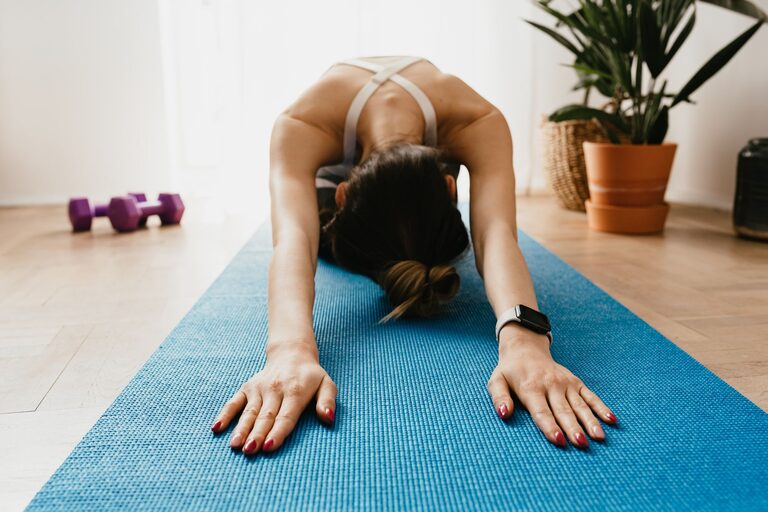
Stretching is a simple way to move more comfortably, support flexibility, and add variety to your daily routine. You do not need special equipment or a large space to get started. A few minutes at home can help you become more aware of how your body feels and how it moves.
For beginners, the most important goals are consistency, comfort, and good technique. Stretching should feel gentle and controlled, not painful or forced. With regular practice, even a short routine can become an enjoyable part of your day.
What Is Stretching?
Stretching involves moving a muscle or group of muscles into a position that gently lengthens them. Some stretches are held still, while others use slow, controlled movement.
The two most common types are:
– Static stretching: Holding a comfortable position for a period of time.
– Dynamic stretching: Moving gradually through a range of motion without holding one position for long.
Static stretches are often useful after activity or during a relaxed flexibility session. Dynamic stretches can help prepare your body for movement, such as walking, gardening, or a home workout.
Benefits of Stretching at Home
A regular stretching routine may help you:
– Move your joints through a more comfortable range of motion
– Improve awareness of posture and body position
– Feel less stiff after sitting or standing for long periods
– Prepare your body for everyday activities
– Relax your body and create a calming daily habit
– Add variety to your fitness routine
Stretching is not a replacement for strength or aerobic exercise, but it can complement both. You can practice it in the morning, after work, before bed, or whenever your body feels ready.
How to Prepare for a Stretching Session
You can stretch in almost any comfortable area, but a few simple preparations can make the experience easier.
Choose a suitable space
Find a clear area where you can extend your arms and legs without bumping into furniture. A yoga mat, carpet, or folded towel can provide extra comfort, especially for floor stretches.
Wear clothing that allows you to move freely. You do not need special workout clothes, but avoid anything that restricts your legs, hips, shoulders, or arms.
Warm up gently
Stretching cold muscles aggressively may feel uncomfortable. Before static stretching, spend a few minutes moving gently. Try walking around your room, swinging your arms lightly, or marching in place.
A warm-up does not need to be intense. The goal is simply to help your body transition from stillness to movement.
Basic Stretching Rules for Beginners
Keep these guidelines in mind as you practice:
- **Move slowly.** Enter and leave each position with control.
- **Breathe normally.** Avoid holding your breath.
- **Stretch to a gentle pull.** You should feel tension, but not sharp, burning, or sudden pain.
- **Do not bounce.** Bouncing can make it harder to control the movement.
- **Keep your body relaxed.** Avoid tightening your jaw, shoulders, or hands.
- **Use support when needed.** A wall, chair, or countertop can help with balance.
- **Start with a short routine.** Five to ten minutes is enough for a beginner.
- **Practice regularly.** A few minutes several times a week is often more useful than one very long session.
If a movement causes pain, stop and return to a comfortable position. If you are unsure whether a certain stretch is suitable for you, ask a qualified fitness professional for guidance.
A Simple Full Body Stretching Routine
The following routine covers several major areas of the body. Move gently and hold each static stretch for about 15 to 30 seconds. Repeat on both sides when appropriate.
1. Neck and shoulder release
Sit or stand tall with your arms relaxed. Slowly lower your right ear toward your right shoulder, keeping your left shoulder down. Hold gently, then switch sides.
Next, roll your shoulders slowly backward several times, followed by a few slow forward rolls. Keep the movement smooth rather than making large or fast circles with your neck.
2. Chest stretch
Stand near a doorway or place your hands behind your back. If using a doorway, rest one forearm lightly against the frame and turn your body away until you feel a gentle stretch across your chest.
Keep the movement comfortable and avoid forcing your shoulders backward. This stretch can feel especially useful after time spent sitting at a desk.
3. Upper back stretch
Extend your arms in front of you and interlace your fingers. Gently round your upper back while reaching your hands forward. Let your head remain in a comfortable position rather than dropping it forcefully.
You should feel a mild stretch across your upper back and the area between your shoulder blades.
4. Standing side stretch
Stand with your feet about hip-width apart. Raise your right arm overhead and slowly lean to the left without twisting your body. Return to the center and repeat on the other side.
Keep both feet grounded and avoid collapsing through your waist. This movement gently stretches the sides of your torso.
5. Standing quadriceps stretch
Use a wall or chair for balance. Bend your right knee and bring your heel toward your seat. Hold your ankle or the lower part of your pant leg if you can do so comfortably.
Keep your knees close together and your torso upright. Switch sides after holding the position gently. If reaching your foot is difficult, skip this stretch or use a different comfortable option.
6. Hamstring stretch
Sit on the edge of a sturdy chair with one leg extended and the heel resting on the floor. Keep your back long and slowly lean forward from your hips until you feel a gentle stretch along the back of your thigh.
Avoid rounding your back or reaching forcefully toward your toes. Switch legs when finished.
7. Calf stretch
Stand facing a wall and place both hands on it. Step your right foot back, keeping the heel down and the toes pointing forward. Bend your front knee slightly while keeping the back leg comfortable and stable.
Hold the stretch, then switch sides. Keep the back heel connected to the floor without forcing it downward.
8. Hip and lower body stretch
Sit comfortably on the floor or on a firm cushion. Bring the soles of your feet together and allow your knees to move outward. Hold your feet lightly and sit tall.
Do not press your knees toward the floor. Let gravity and time create a gentle stretch. If this position is uncomfortable, sit in a chair and cross one ankle over the opposite knee instead.
Common Beginner Mistakes
Several habits can make stretching less comfortable or less effective.
– Stretching too far too soon
– Holding your breath
– Moving quickly between positions
– Comparing your flexibility with someone else’s
– Ignoring discomfort that feels sharp or unusual
– Trying to stretch only once in a while
– Skipping a gentle warm-up before deeper stretches
Flexibility develops at different rates for different people. Progress may appear as easier movement, better balance, or a more comfortable range of motion rather than dramatic changes.
How to Build a Consistent Habit
Choose a time that fits naturally into your schedule. You might stretch for five minutes after brushing your teeth, during a work break, or after an evening walk.
Keep your routine simple at first. Write down the stretches you enjoy, set a gentle reminder, or place your mat where you can see it. As the habit becomes easier, you can gradually add more movements or extend your session.
Listen to your body each day. Your flexibility may change depending on your activity, energy level, and how long you have been sitting. A successful routine is one that feels safe, manageable, and easy to repeat.
With patience and regular practice, stretching at home can become a practical way to move, relax, and care for your body. Start small, breathe steadily, and focus on comfortable progress rather than perfect form.