Creating a coffee station at home can make your morning routine easier, more organized, and more enjoyable. Whether you prefer drip coffee, espresso, pour over, or tea, a dedicated space keeps your supplies together and adds a welcoming touch to your kitchen.
You do not need a large kitchen or an expensive setup. With a little planning, a small counter, shelf, or rolling cart can become a useful coffee station that fits your space and habits.
Choose the Right Location
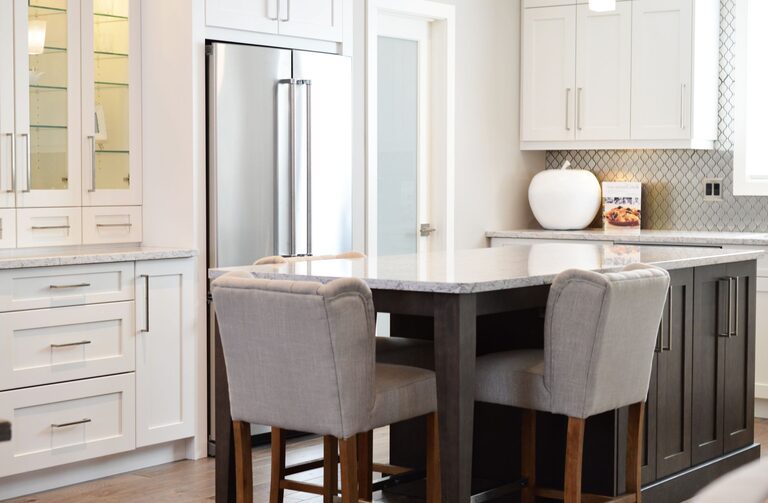
Start by choosing a convenient location. The best spot is usually near a power outlet, a water source, and enough counter space to prepare your drink comfortably.
Consider these options:
– A section of the kitchen counter
– A small sideboard or cabinet
– A bar cart
– A coffee table in a dining area
– An open shelf with a counter underneath
– A compact rolling cart
If you use an electric coffee maker, grinder, or espresso machine, make sure the location has easy access to an outlet. Avoid placing appliances where cords will cross walkways or hang near water.
The station should also be easy to reach in the morning. A beautiful setup will not be useful if you have to move several items before making coffee.
Measure Your Space
Before buying organizers or equipment, measure the area. Note the width, depth, and height of the available space. Also check whether cabinets or shelves above the station open easily.
A small coffee station can work well with as little as 18 to 24 inches of counter space. If your area is limited, focus on the items you use every day and store occasional supplies elsewhere.
Keep enough room around your main appliance to add water, place a mug, and remove the coffee pot or portafilter. Crowding the station can make it harder to clean and use.
Select the Essential Equipment
The equipment you need depends on how you like your coffee. Start with one brewing method rather than trying to include everything at once.
Basic coffee station essentials
Most coffee stations benefit from the following items:
– Coffee maker, French press, or pour-over brewer
– Coffee beans or ground coffee
– Mugs
– Spoons or stirrers
– Measuring scoop
– Kettle, if needed
– Sugar, sweetener, or milk
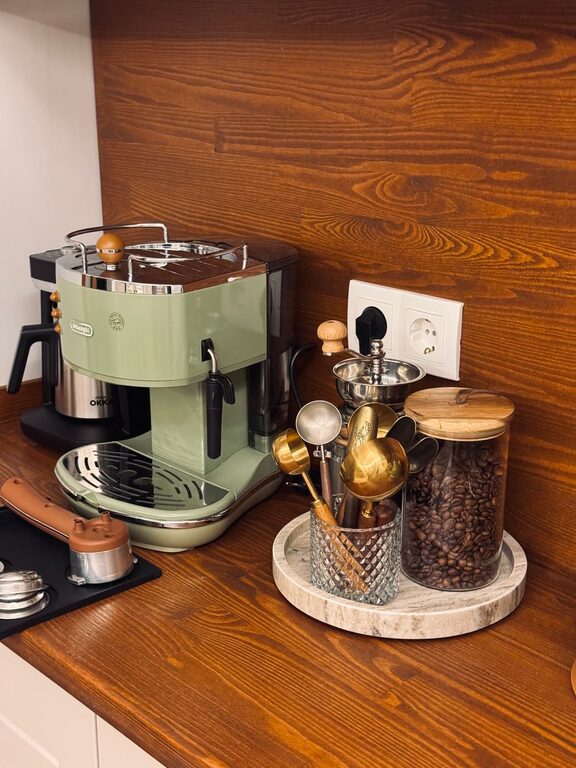
– A small tray for organizing supplies
– A container for used coffee grounds or filters
If you use whole beans, add a coffee grinder. A simple burr grinder can provide a consistent grind and support several brewing methods. If convenience is your priority, a pod machine or automatic coffee maker may be a better fit.
Avoid buying equipment simply because it looks appealing. Choose tools that match your routine, budget, and available space.
Create Practical Zones
Organizing your station into small zones helps you find what you need quickly. Try grouping items by how you use them.
For example:
– Place the coffee maker in the center.
– Store mugs on one side.
– Keep coffee beans or grounds in a container nearby.
– Put sweeteners and stirrers in a small holder.
– Keep filters, tea bags, or extra supplies in a drawer or basket.
A tray can define the coffee area and help contain spills. It also makes it easier to move several small items when cleaning the counter.
If you have a cart, use the top level for daily items, the middle level for mugs and serving pieces, and the bottom level for extra supplies or cleaning products.
Store Coffee Properly
Good storage helps preserve coffee’s flavor and keeps your station looking tidy. Store coffee in an airtight, opaque container away from heat, moisture, and direct sunlight.
A cabinet or drawer is often better than a spot directly beside a hot appliance. Label the container if you keep more than one type of coffee.
Buy an amount that you can use within a reasonable period instead of storing large quantities for months. Keep the original package nearby if you want to remember the roast date or brewing instructions.
Do not store coffee in the refrigerator, where moisture and odors can affect its quality.
Add Smart Storage
Small storage solutions can make a major difference, especially in a compact kitchen.
Useful options include:
– Stackable bins for coffee filters and tea
– A wall-mounted mug rack
– Small jars for sugar or cocoa
– A drawer organizer for spoons and scoops
– A lidded basket for extra coffee supplies
– A shelf riser for creating another storage level
– Hooks for measuring spoons or mugs
Choose storage that is easy to clean and simple to use. Clear containers can help you see when supplies are running low, while labeled containers give the station a more orderly appearance.
If you use coffee pods, select a holder that fits your collection without taking over the counter. Store only a practical number at the station and keep backup supplies in a cabinet.
Make the Station Easy to Clean
Coffee grounds, milk, sugar, and water can quickly create a mess. Plan for cleaning when designing the station.
Place a washable tray under items that may drip. Keep a small cloth nearby for wiping spills, and empty used grounds or pods regularly. If you use a reusable filter, store it where it can dry properly after washing.
Leave enough room to wipe underneath and behind the coffee maker. Avoid filling every available inch with decorative objects, since crowded spaces are harder to maintain.
Once a week, wipe containers, wash trays, and clean the coffee maker according to the manufacturer’s instructions. Regular care keeps the station pleasant and helps your equipment work well.
Add Personal Style
A coffee station can be practical and attractive at the same time. Use colors and materials that coordinate with the rest of your kitchen.
Consider adding:
– A small framed print
– A plant that suits the available light
– A ceramic spoon rest
– A patterned tray
– A simple sign or menu board
– Coordinated mugs
– A small vase or seasonal decoration
Keep decorations away from heat and water. Avoid placing too many items near the appliance, where they may block ventilation or become stained by splashes.
A limited color palette can make the area look more intentional. For example, wood, white, and black create a simple modern look, while ceramic pieces and woven baskets can give the station a warmer feel.
Include Tea and Other Drinks
If several people in your home have different preferences, create space for tea, hot chocolate, or cold drink supplies. A divided organizer can keep tea bags together, while a small jar can hold cocoa or drink mixes.
You might also include honey, cinnamon, marshmallows, or flavored syrups. Store less frequently used ingredients in a drawer or cabinet so the main area stays uncluttered.
A small kettle can serve both coffee and tea, but make sure it has a safe location and enough clearance for the lid and handle.
Keep It Simple and Useful
The best coffee station is one that supports your daily habits. Start with the equipment and ingredients you already use. After a week or two, notice what feels convenient and what creates clutter.
Remove items that are rarely used, move frequently used supplies closer to the front, and adjust the setup as your routine changes. You may find that a small tray and a few containers are all you need.
A well-planned coffee station does not have to be elaborate. With the right location, reliable equipment, thoughtful storage, and a few personal details, you can create a comfortable space that makes every cup easier to prepare and enjoy.